
Forex
The dollar regains strength as bond yields remain elevated
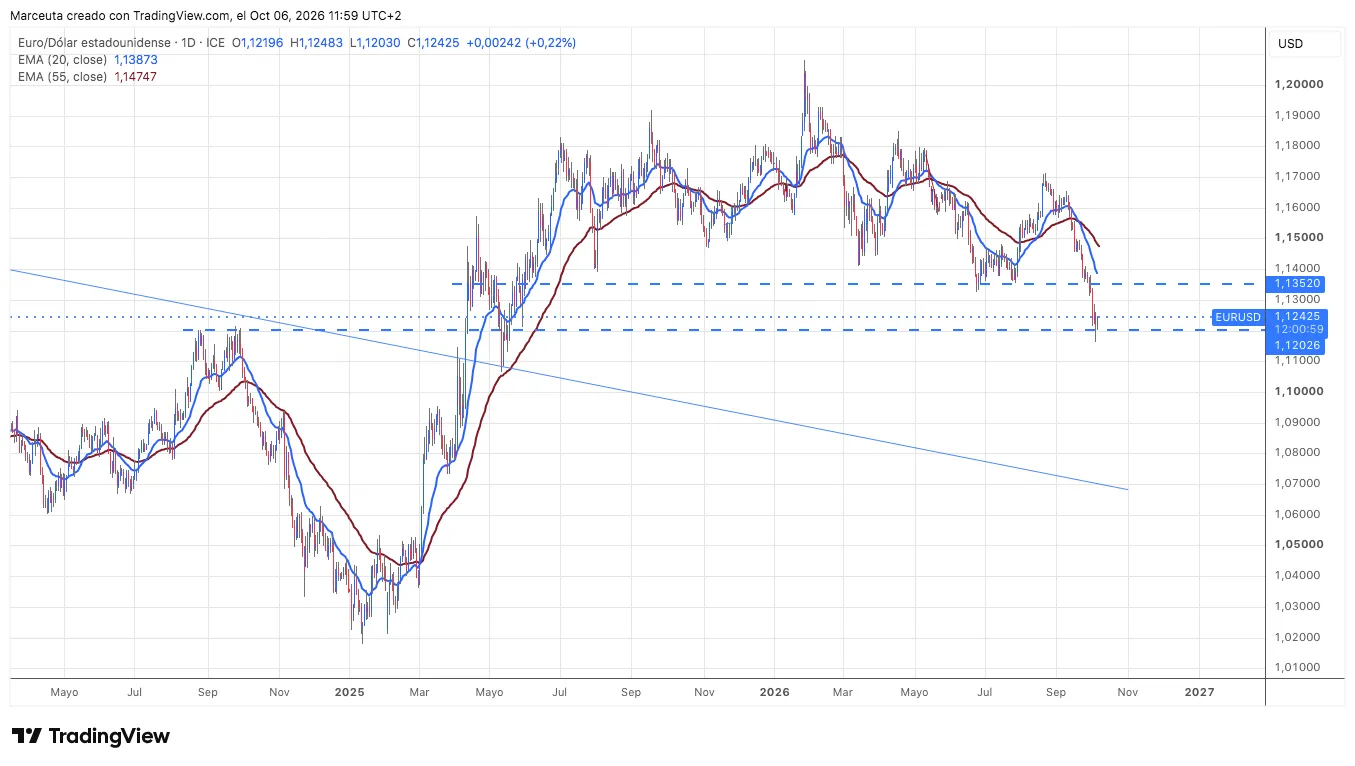
A weak September payrolls report did not pull Treasury yields lower. The 10-year recovered to around 5.30%, supporting the dollar as EURUSD broke 1.1350 and approached 1.1200.
The market reaction to the latest US employment report is highlighting an apparent contradiction: weaker labour market figures reduce pressure on the Federal Reserve to maintain a restrictive monetary policy, but bond yields are not following the same logic. The September report showed just 29,000 jobs created, down from 162,000 in the previous month, while the unemployment rate rose to 4.2%. The 10-year Treasury yield initially fell towards 5.17% following the release, but subsequently recovered to around 5.30%. This resilience suggests that investors do not believe that a potential Fed pause will automatically translate into lower long-term borrowing costs.
Other factors are behind this behaviour, including uncertainty over the inflation outlook, US fiscal prospects, heavy Treasury issuance and the increase in the term premium demanded by investors to hold longer-term bonds. Recent economic data also point to a combination of still-solid activity and persistent price pressures. The September ISM services index came in at 54.9, slightly below the previous 55.4, while its prices-paid component rose to 74, the highest level since 2022. All of this is helping to keep yields elevated while, at the same time, giving fresh support to the dollar.
EURUSD has broken below the 1.1350 support level and is approaching the important 1.1200 level, which now becomes a key technical reference. The dollar could remain strong as long as US yields continue to offer a favourable interest-rate differential compared with euro-denominated assets.
For equities, particularly technology and growth stocks, persistently high yields represent a risk, as they increase financing costs and reduce the relative attractiveness of high valuations. Market attention will now turn to the next key inflation and consumption indicators: the Fed minutes will be released tomorrow, followed by September CPI on October 14 and PPI and retail sales on October 15. Later in the month, Q3 GDP and the PCE inflation data will be released on October 29, while the next Fed meeting is scheduled for October 27–28. These figures will be important in determining whether the weaker labour market allows the Fed to maintain a more flexible stance or whether persistent inflation pressures force rates to remain elevated for longer.
In this environment, the performance of the 10-year Treasury yield and the dollar will remain crucial in determining whether equities can maintain their recent highs or begin to face greater selling pressure.
Original analysis by Miguel A. Rodriguez, dated 6 October 2026.
This commentary is general market information, not investment advice. It does not take your objectives or financial situation into account, and past performance does not guarantee future results. Trading CFDs involves a significant risk of loss.